

Continental Divides Part II
From Crested Butte to Telluride
It’s strange looking out the window and seeing a place you’ve only heard stories about. Stranger still without anyone to turn to and exclaim, Gee, Would You Look At That.
But so it was on the second leg of my grand tour of the West.
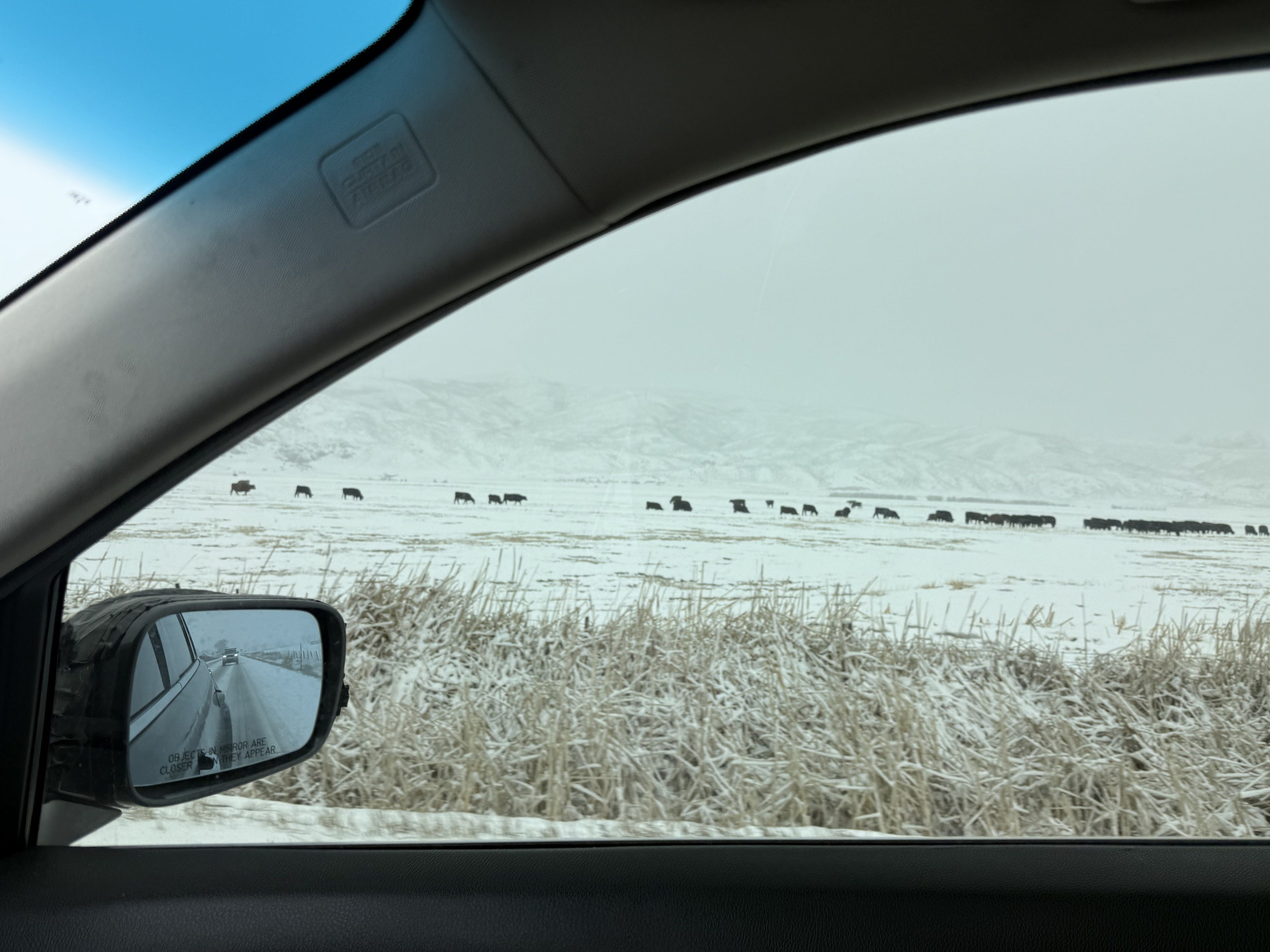
Into parts unknown above the Gunnison River. Along undulating mountain passes slick with blizzard snow. Down grades so nerve-racking and around curves so precarious that in two separate instances my tires stopped turning, my steering wheel became tremulant and I slid for a split-second; jammed the brakes, felt the ABS, thanked the Lord, and downshifted ‘til I could wrestle back control of the car, heart pounding; I turned off the music, breathed Wim-Hofishly, and wondered how much of my body’s reaction was influenced by caffeine before the calm settled back in.
These are the types of drives where sunlight comes at a premium.
Able to embrace the role of ridiculously cautious driver (one of the perks of having no one with you), I was passed by just about all westbound traffic on US-50 that day.
And I was content to chug along at my modest clip, bump Spotify downloads and admire grayscale snow-dusted sagebrush vistas with cloud coverage that made me think of John Ford and all the old imagemakers who didn’t have pigment to play with.
I was headed West to go work on a movie, after all.
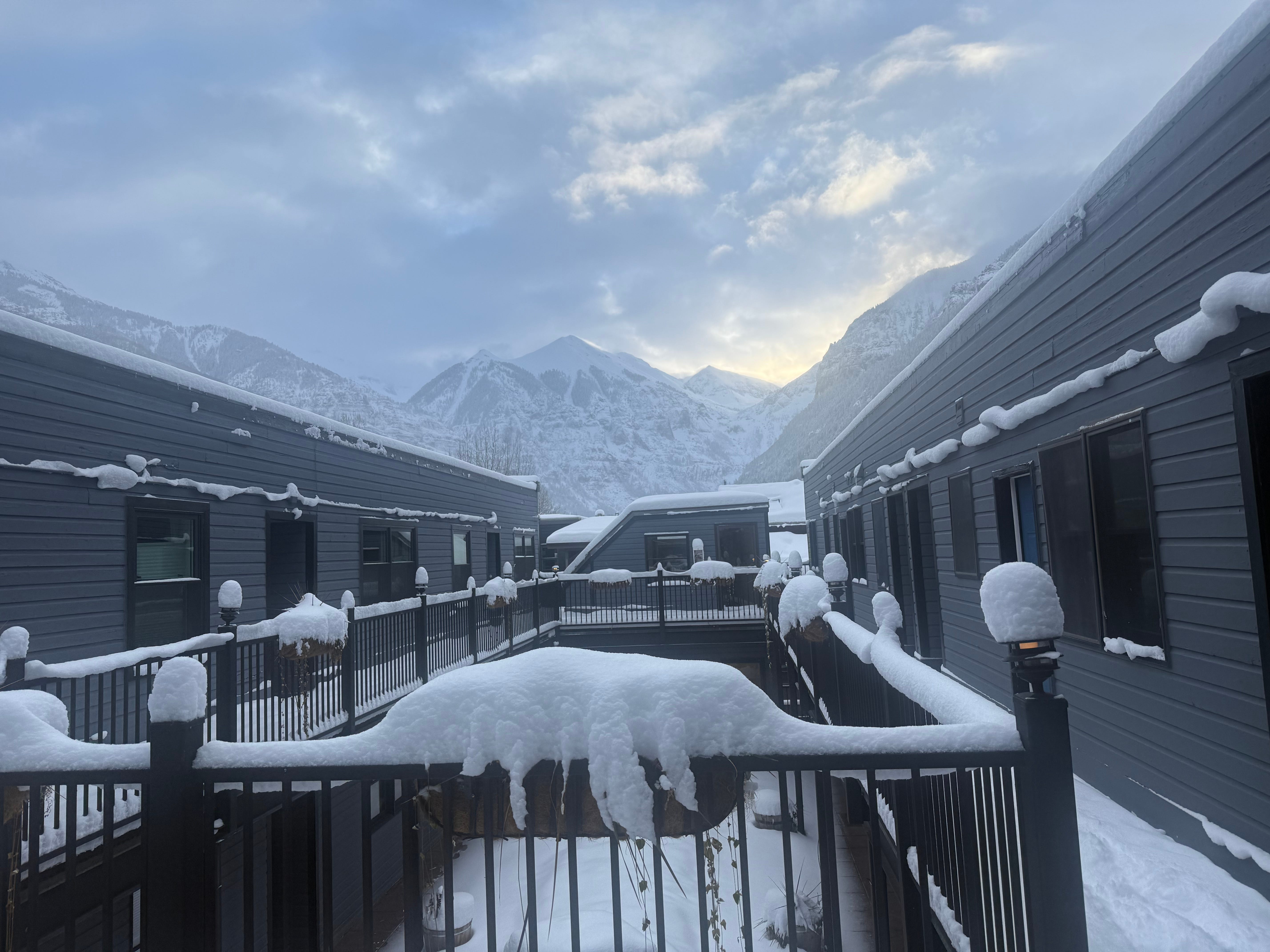
I unlocked new-to-me locations like they were DLC – Curecanti, Ridgeway, Montrose – and arrived in Telluride after nightfall. The final stretch was CO-145, soundless and slow-moving, spotlit by headlights. It’d snowed all day, and it was still snowing.
This storm was a pretty big storm, and that was a pretty big deal.
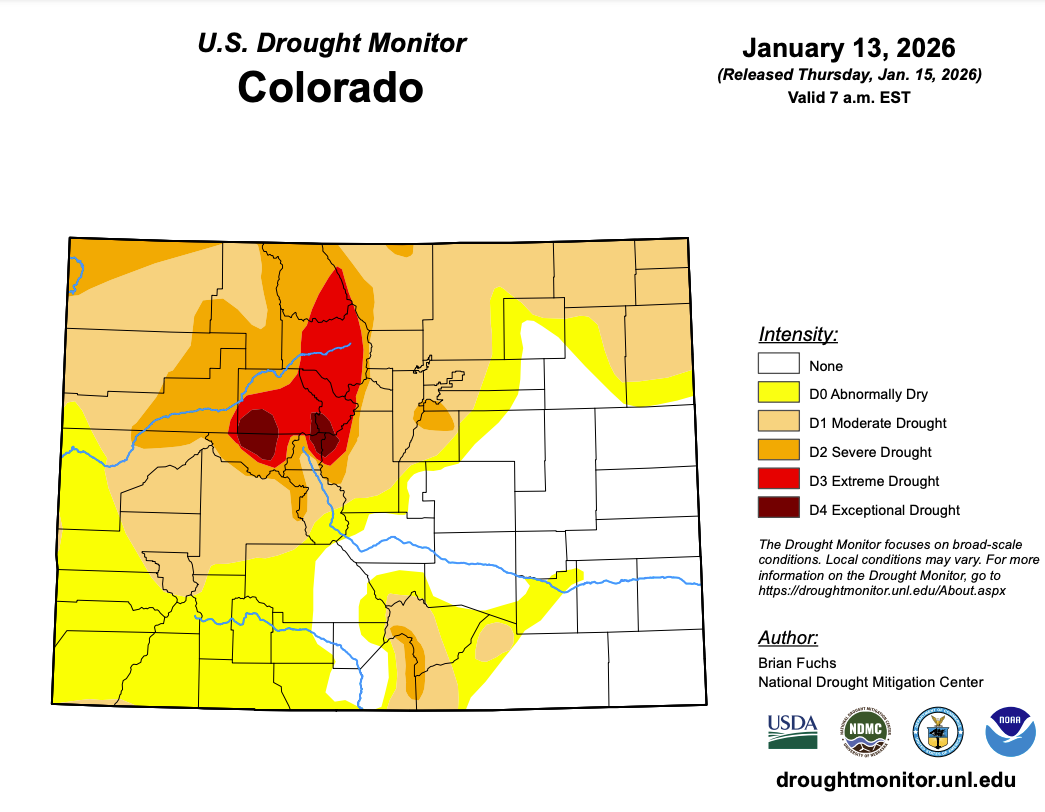
It was a pretty big deal because this has been one of the driest winters in Colorado’s history (certainly the worst snowpack since 1987), and the state relies on snowfall above all else to support its thirty-billion-dollar-annual tourism industry.
This was a pretty big deal in Telluride in particular because its ski patrollers had been on strike over the holidays after the mountain’s absentee owner, real estate magnate Chuck Horning, refused to pay his veteran patrollers more than forty dollars an hour, forcing the nucleus of the town to close for around two weeks of its busiest season.
And this was a pretty big deal because a powder day is always a pretty big deal.
Conditions like this – six-to-eight inches of fresh snow arriving after lifts have closed, and more falling throughout the morning – are what skiers (and snowboarders) live for, just as surfers leap out of bed for well-spaced swells and offshore wind, while sailors pine for sunny days that blow twelve-to-eighteen knots and lack any chop.
As in a casino, there are no clocks in Telluride. Physical trail maps ain’t easy to find.
It doesn’t seem like anyone is too keen for the place to be easy to maneuver.
But you’ll know when it’s nine in the morning ‘cause that’s when the line at the Oak Street Lift, which may stretch further than you’ll care to measure, will begin to move.
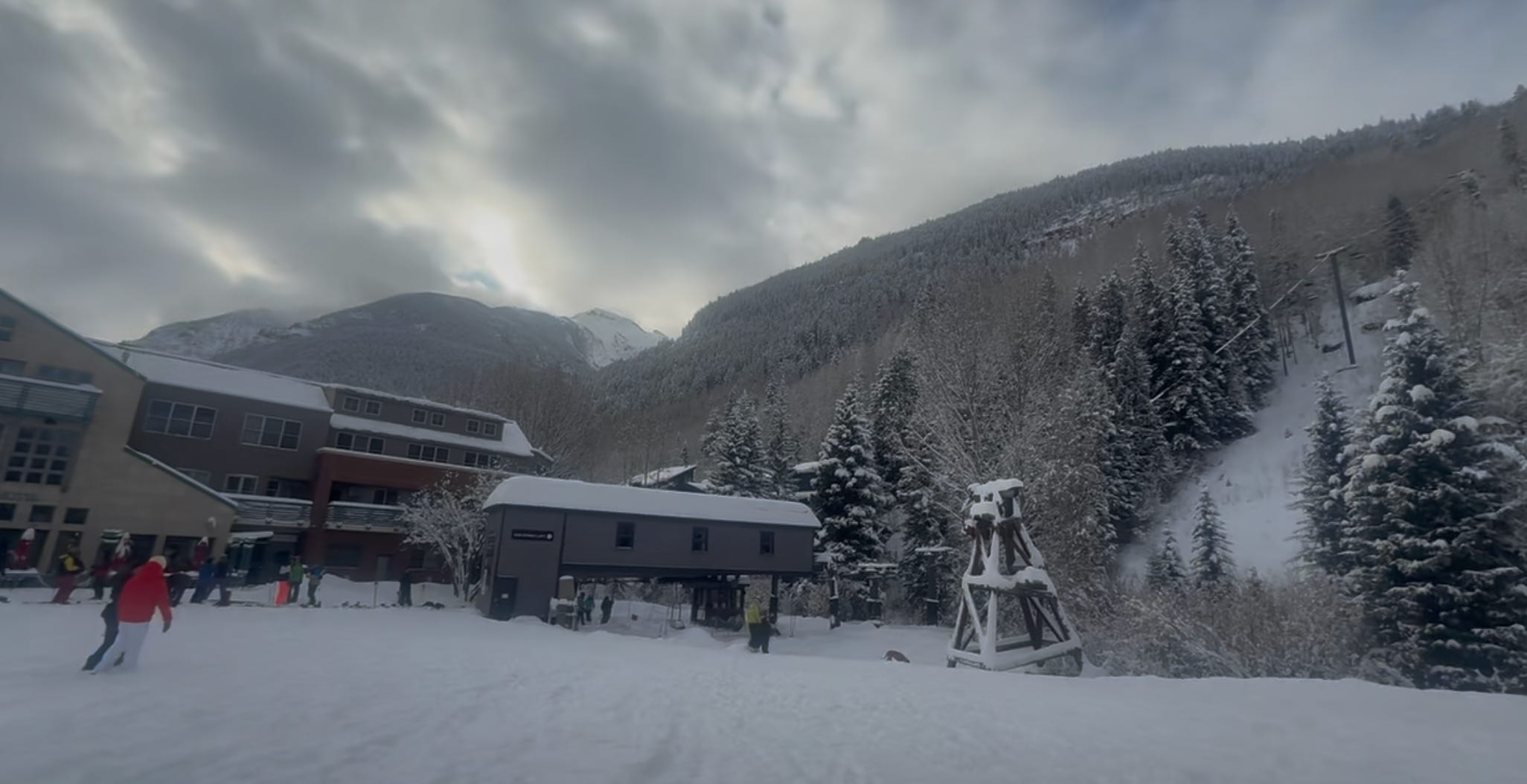
I reveal on my third or fourth lap that I’m from Denver, and it’s my first time in Telluride because the drive had just been too damn long for me to have made before.
“We like it that way,” came a chipper response from the woman sitting next to me.
This is a place where people – and, yeah, some of them are People magazine people – go to get all the way away. It’s not flyover country, it’s fly-in country.
Help me Jesus! Help me Oprah! Help me Tom Cruise!
Is that – it is Ralph, bro. And, oh, damn, Bobby Brown!
(But not that Bobby Brown. Unless...)
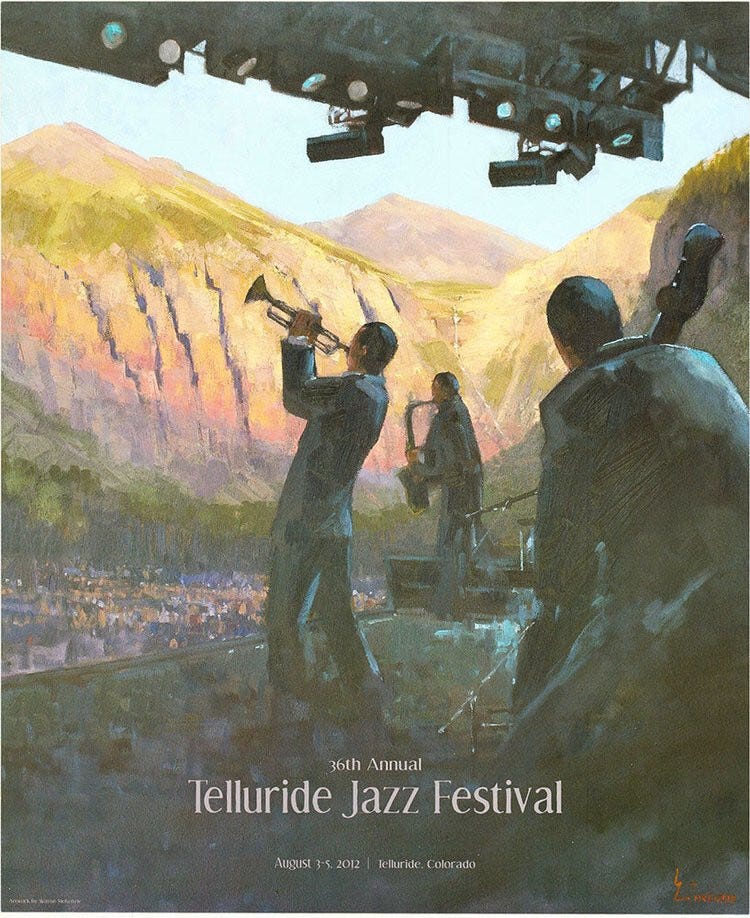
This is where David Lynch debuted his best stuff, where Ken Burns is an “honorary homie,” where Moonlight first popped off, where Dizzie, Etta and Herbie all played.
Like most “good” mountains, it’s sort of a playground for the rich.
But unlike the vast majority, it’s also a playground for the rich and famous.
And, crucially, on account of its isolation, it’s certainly not also a playground for the weekend warrior. It’s a seven-hour schlep from Denver or Salt Lake City. Six from Santa Fe. It may as well be in a different country. It’s a place for the souls absolutely committed to being somewhere that’s an absolute haul from absolutely everything.
And they like it that way.
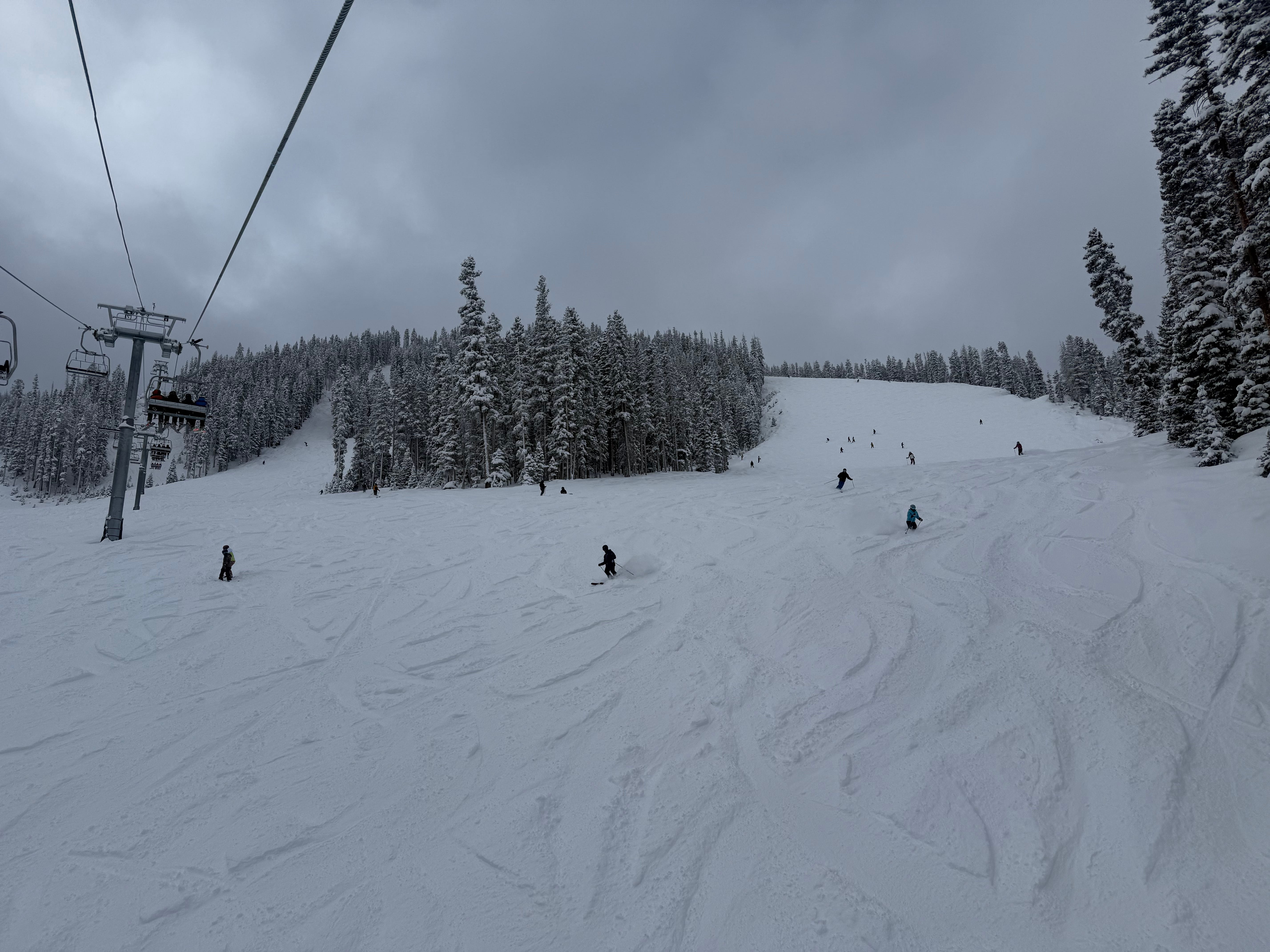
My first chair was shared with a guy who had all the hallmarks of a ripper. Seven years a local, he called down by name to buddies who’d made it to the peak before us. We were moving surprisingly slow, he bummedidly deduced aloud, prolly ‘cause it was the first day of the year that this particular lift ran. Damn. Gondie side was the move.
So on our way up we were subjected to the Stinky Pete-esque yeehaws of those lucky enough to get first tracks (which included, unfortunately, more than a few clueless boarders). They sounded, to me, kinda ridiculous, performatively gleeful, especially when one considers how HEAVY snow can be – how much energy one exerts pushing all that weight with your legs. When I got my chance in the occasionally waist-deep fields, my turns were near-silent. I was too focused. My thighs were on fire.
My biscuits were burning.
But it felt great on my feet – powder always does, especially in comparison to, uh, ice – and lent a sensation of weightlessness that is, quite simply, why people do this.
There’s a sense of duty that comes with this line of fun. It’s a lot of time, effort and kinda dangerous to-do for what translates into mere minutes of (albeit ecstatic) joy.
And it costs a lot of goddamn money.
Like hundreds of thousands of Coloradans, everyone in my family owns all the gear. I copped the signature skis of a former classmate a few years back, got my poles and boots and bindings at Sniagrab (a bygone sale at the awesomely-named and also bygone Sports Castle), recently got a shell and pants from Patagonia’s quasi-official overstock outlet as a Christmas gift, and I rock a hand-me-down helmet and goggles. And I can’t imagine acquiring any of that unless I was sure I’d be using it constantly.
My room in Telluride (which included street parking within walking distance of the lift) cost around 250 bucks. That is widely considered an absolutely screamin’ deal.
Then there’s the matter of the lift ticket. I really only came to town because I have the Epic Pass. It costs about a thousand dollars a year, a potentially eye-popping price for non-skiers, and grants the holder access to the nearly four dozen mountains that Vail Resorts, Inc. (NYSE: MTN) owns and operates (or partners with, like Telluride).
For Vail’s execs and stockholders, the Epic Pass means guaranteed revenue no matter how much it snows. For the passholder, who buys in during the fall, it’s a gamble. In heavy-snow seasons, like ‘20-’21, they tend to amortize the cost rather quickly. In dry years, like this one, the waiting game can be absolutely excruciating.
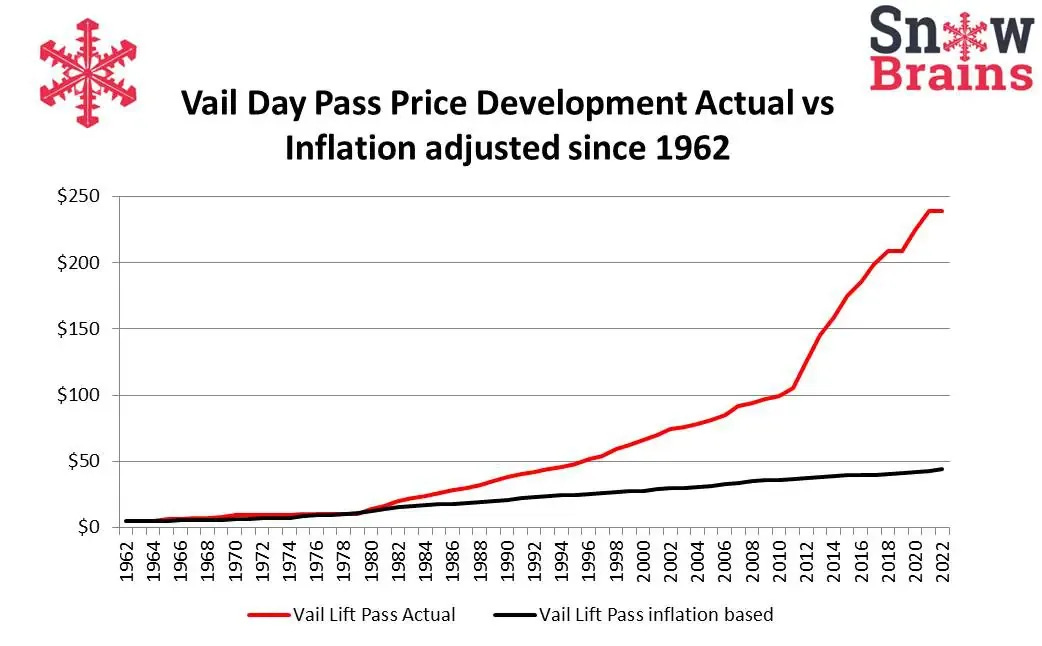
Though it only takes a handful of runs to “break even.” A single-day ticket at any major mountain in Colorado – e.g., Telluride – will run you upwards of $300.
For access to snow that falls from the sky.
It’s no wonder more people are turning to the backcountry, dangerous as it is.
The services of value that resorts provide – unless you are learning to ski, are training for the Olympics, are a park rat, or are the type of freak that can stomach manmade snow – are, in short, lifts, grooming, lodges, and the same patrol that management takes ample opportunity to claim ain’t worth much more than minimum wage.
But the outrage is always muted. People go skiing to forget about what’s wrong with the world, not to protest. And the better the conditions, the less one thinks about the costs – and the practices of the corporations who seem to inflate them at every turn.
Plus, I have to admit, a thousand bucks for access to six resorts in Colorado, Park City, three in Tahoe, and world-class stuff in Canada, the Alps, Japan, etc., feels like a spectacular deal on paper. (That’s not even counting everything else, like the hills in the Northeast or Midwest, because, c’mon.) The rival Ikon Pass (a product of Alterra Mountain Co., a joint venture between the owners of Aspen and a private-equity firm) might be an even better deal – getting you into some of the best spots in Colorado, Utah, Taos, Jackson Hole, California, the PNW, Europe and Asia and, why not, Alaska.
But, when you think about it for more than a second, having access to all these places doesn’t actually make much sense. Unless you’re unemployed or retired or somehow still fully remote, you’re not gonna have the time to travel to more than a handful of these places in a single season. A sizable portion of the Coloradans I know are skiers, and I only know a few who’ve used passes out of state, let alone internationally.
I have just once – in Park City – although, after I was done with a semester abroad in China in 2017, my brother and I did ski in Japan. We bought a pass directly from the resort – it was around ¥40,000 (~$200) for four days. And it was fucking awesome.
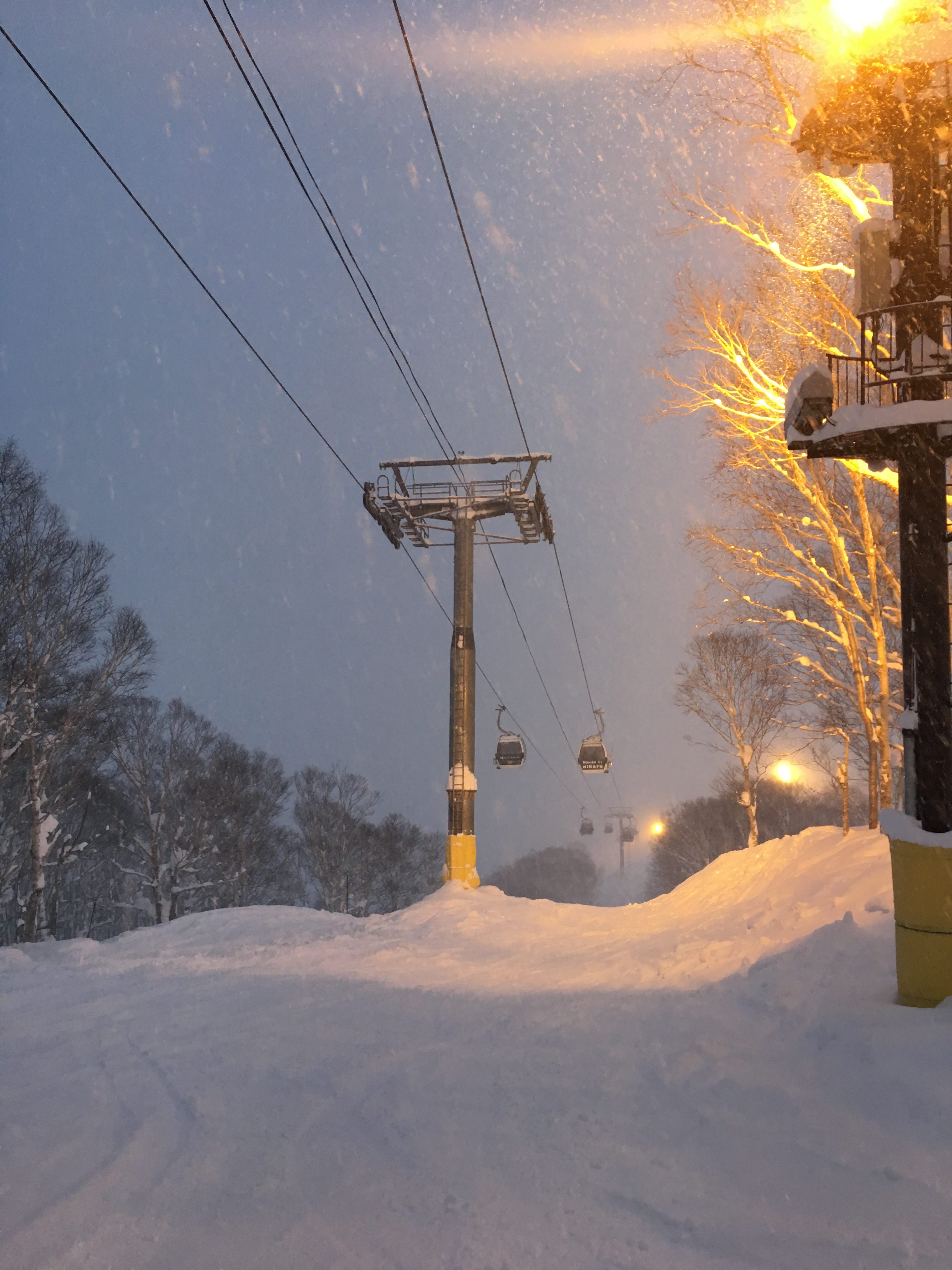
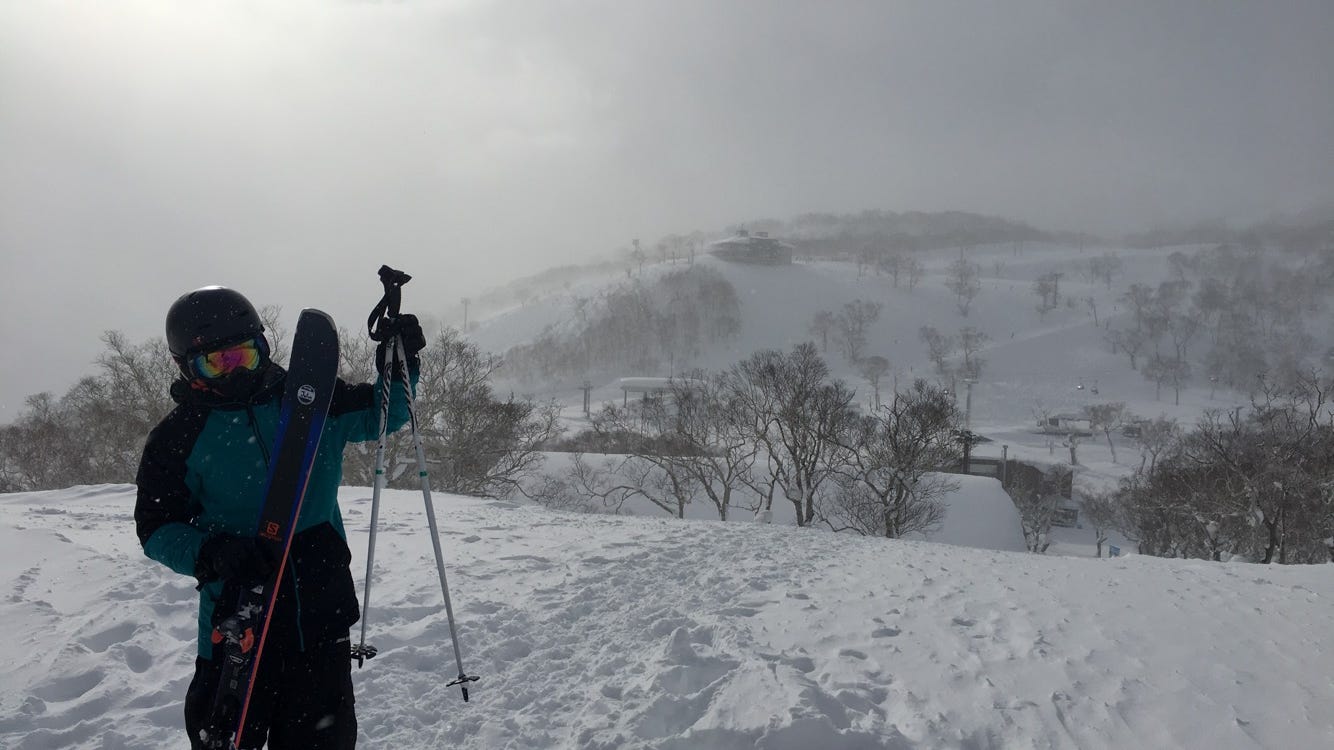
Would I go back abroad and try to make use of my pass? Sure, I’d love to. But if we’re being honest, it’d only save a few hundred bucks on a multi-thousand dollar trip. It adds up when traveling as a pack, but it’s only ever a minor consideration of the send.
And the pernicious aspects of pass culture (which has exploded since 2017) include:
A) The fact that day passes are, on aggregate, now at least 60 percent costlier than they were in the 1990s (adjusting for inflation), which means the chances of you skiing somewhere off your pass have become exponentially more unlikely.
I recently had to buy a few days’ worth of lift tickets on a trip to Jackson Hole and was absolutely stunned at what they were charging, even after a buddy discount. So I did everything I could do limit the cost – I purchased half-days, practically begged local friends to take me into the backcountry, and straight up didn’t ski on days I could’ve.
One could just buy both Ikon and Epic – and, why not, the admirably scrappy Indy Pass too – if one had a Manhattan month’s rent to earmark for gnar gnar. Do you?
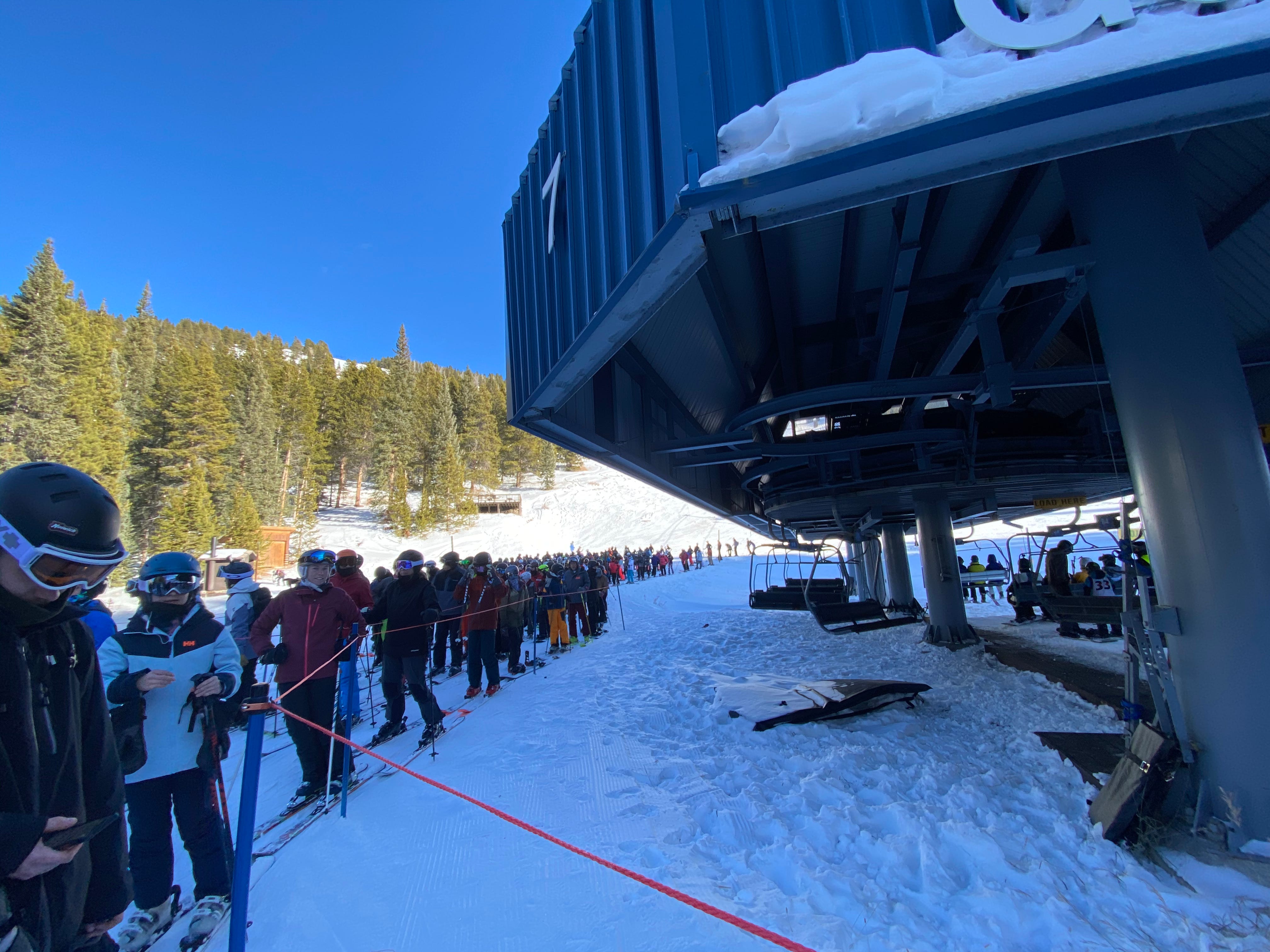
B) Mountain towns are starting to lose their funk. They’re subject to more visitors than they used to have, who’re all looking to squeeze value from these passes (myself included); seeing independent rental shops, retail stores, restaurants and hotels being sold to the conglomerates who already own the mountains; and, as housing costs have skyrocketed but big corporate parents (like Vail) continue to prioritize fiduciary “responsibility” over their own employees, fewer true locals – patrollers, instructors, shredevangelists – can actually afford to live in town. They commute, or they leave.
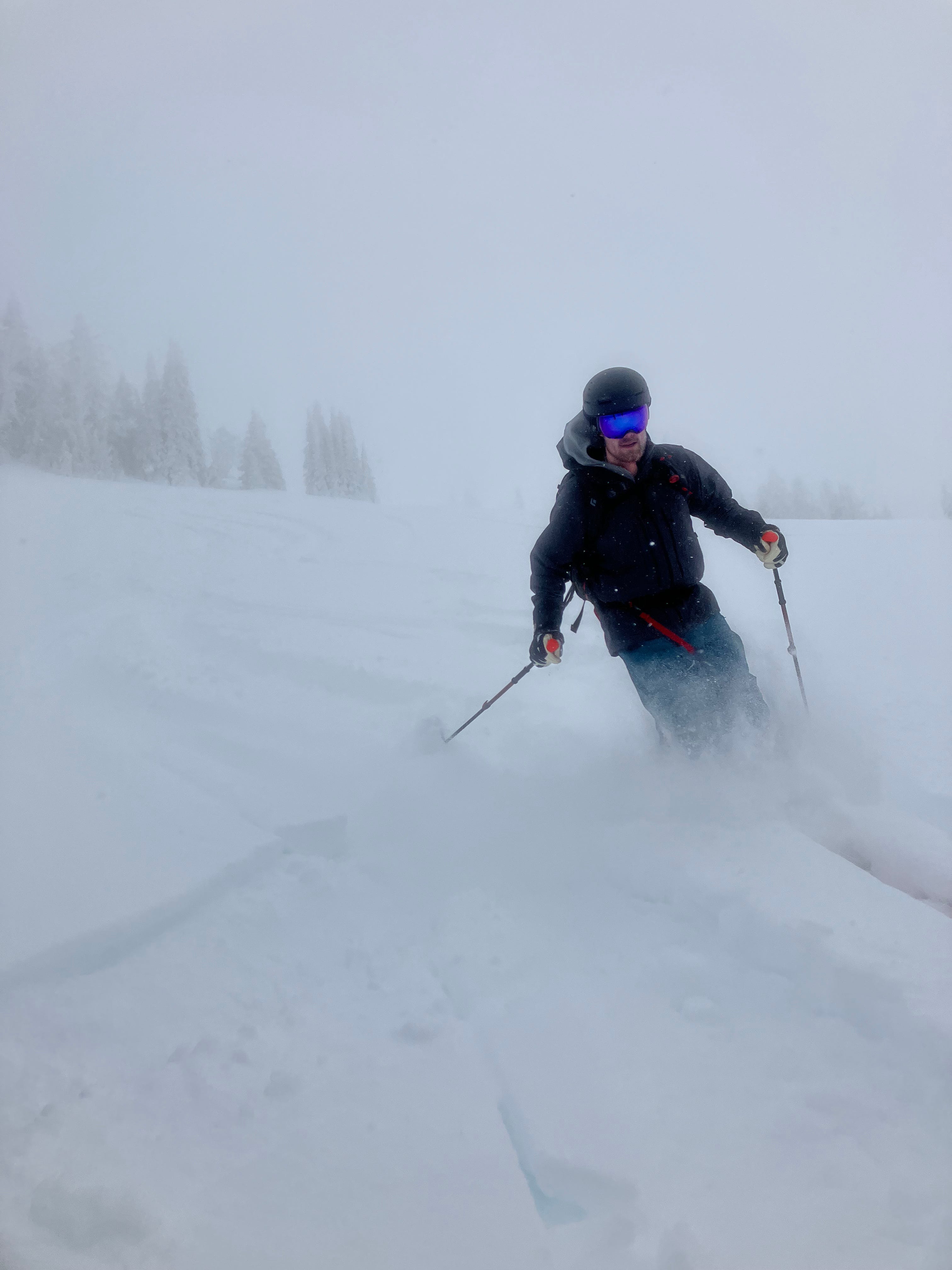
After a few hours at Telluride, with the cache of champagne all tracked out – visibly dissipated beyond recognition, as tends happens on the front side of a resort – I hit the road, content with my half-day and desperate to not get caught in another storm.
On my way out, I began to fixate on a characterization: the fact so many Western resorts, including Telluride, are set in old mining towns is especially apropos because skiing is essentially mining in miniature. We unearth the untouched for purely personal profit. We jostle over claims – Dude, you stepped on my line! – of specious legitimacy. Once a vein is tapped, we leave it to fester and begin a search for another.
That said, they dreaded the winter back in the Wild West.
Our dream storm’d be their worst nightmare.
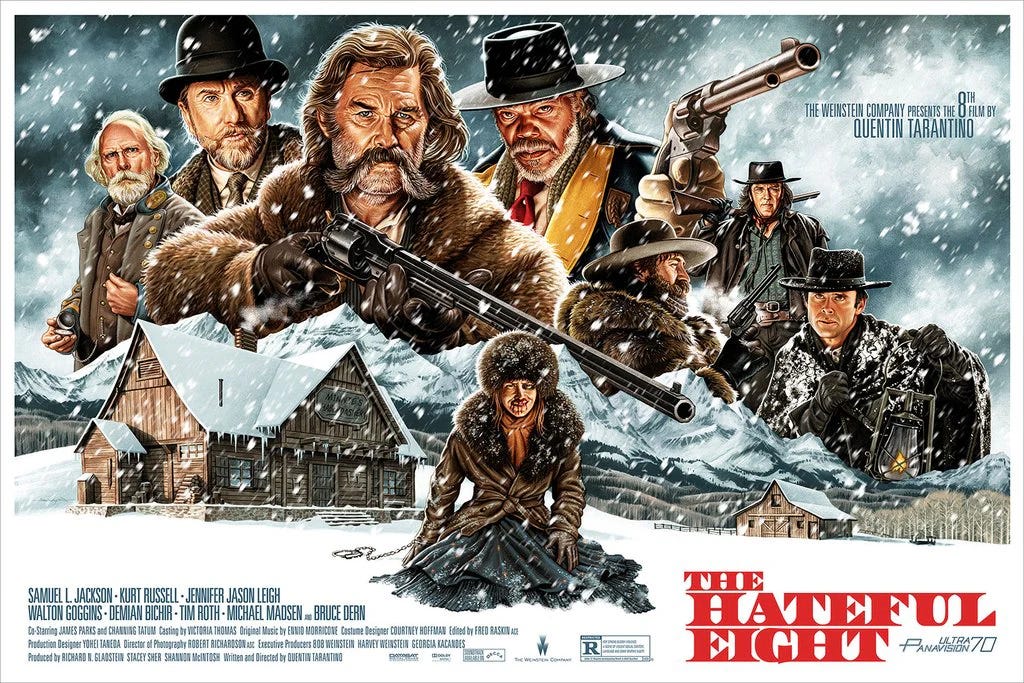
I’m also of the conviction that we, too, are being mined.
By Chuck Horning, by Vail and Alterra and their investors, by outdoor gear brands – even those who do a bang-up job of greenwashing – and by the online algorithms who use many multitudes of our metadata to try and sell us still more stupid ski stuff.
But this is simply the capitalist imperative. Extract value where you can find it.
What makes this all noteworthy is that only well-to-do people can afford to ski. So in many such cases we’re seeing price gougers being gouged by other price gougers, with the devotees who can afford it caught in the middle and the ones who can’t left to rot.
But I guess it’s been this way since they settled this land and called it Colorado.
Telluride’s first tycoon was named Otto Mears.
Mears made his fortune not from striking a mother lode, or financial speculating, or selling picks and shovels. He got rich building roads and charging tolls to use them.
Highway robbery is a grand tradition out west. All that’s changed is the cargo.